Concrete Saw Maintenance: Avoiding Job Site Downtime
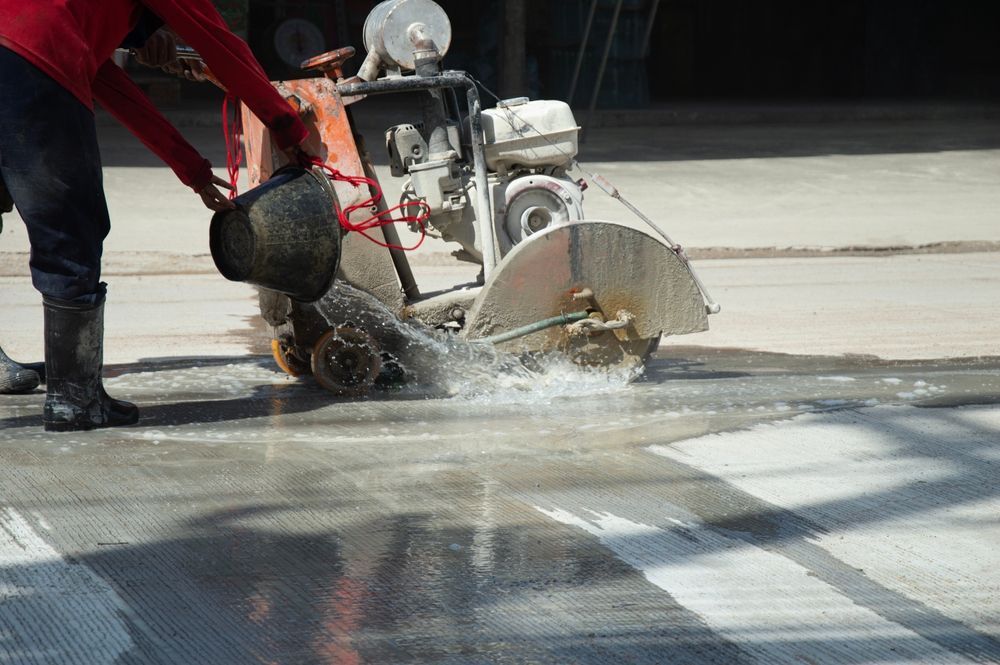
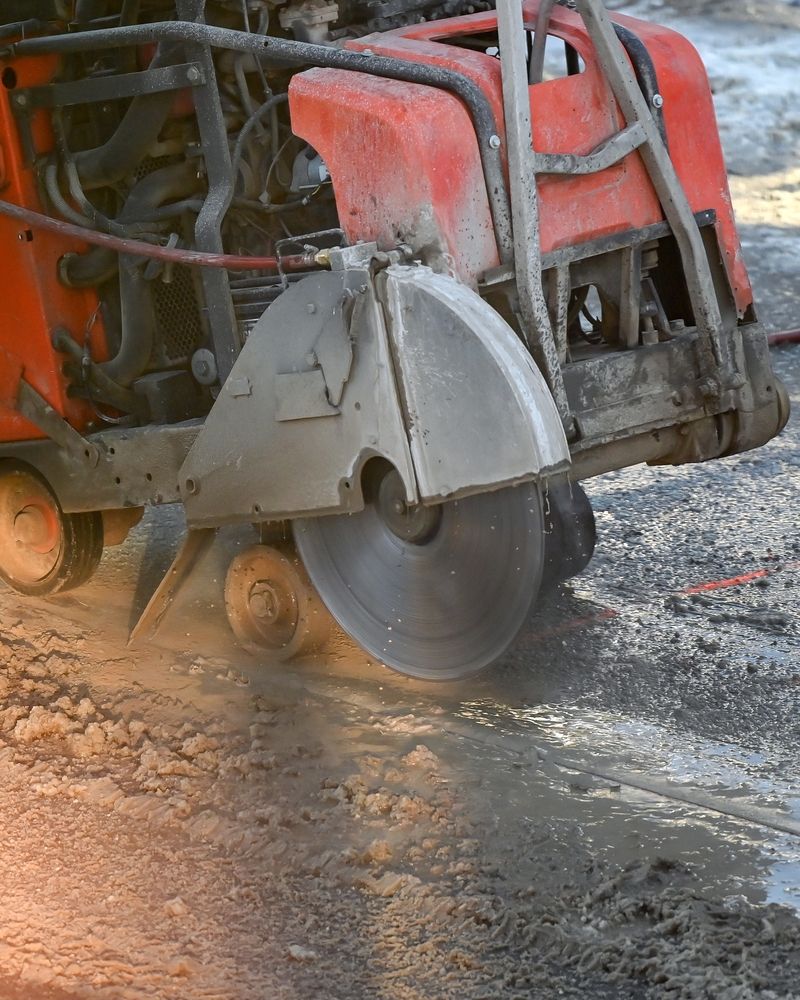
On a busy job site, a concrete saw can run for hours at a time with little attention beyond fuel and blade changes. That steady pace can create the impression that the saw will keep performing without interruption. But once it hesitates, stalls, or starts cutting unevenly, the rhythm of the job shifts. Delays build quickly, and small issues become larger setbacks. Staying ahead of those moments comes down to a more deliberate, consistent approach to day-to-day saw care.
Why Concrete Saw Maintenance Matters on Every Job
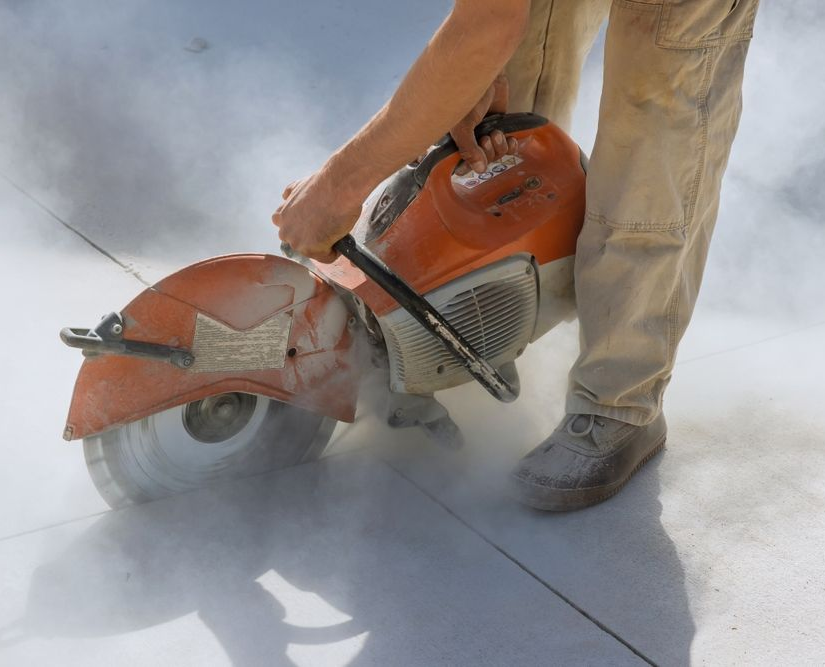
A reliable saw keeps crews moving, but even small lapses in upkeep can slow production and create pressure on deadlines. When a saw begins to underperform, it affects cut quality, crew efficiency, and material handling all at once. That slowdown doesn’t stay isolated; it carries across the entire job. Friction builds across the job, and tasks that should run smoothly start to drag.
A consistent maintenance routine cuts down on unexpected stoppages, keeps blade performance steady across different materials, and extends the life of key components. It also contributes to safer operation and helps crews get more value from their equipment and
construction supplies.
Over the length of a project, steady care helps teams stay closer to schedule and avoid unnecessary interruptions. It also reduces wear patterns that often go unnoticed until performance drops and delays begin to appear.
Top Causes of Concrete Saw Failures on Site
Many slowdowns tied to saws can be traced back to a handful of common issues. These problems usually build gradually, then show up all at once during active work.
- Dust and debris buildup that clogs air filters and restricts airflow
- Worn or misaligned blades that strain the motor and reduce cutting accuracy
- Overheating from extended use without proper cooldown
- Loose belts or hardware that affect power transfer and consistency
- Fuel problems from stale fuel or an incorrect mix
- Poor storage that exposes components to moisture, temperature swings, or job site debris
Even high‑quality concrete cutting saws can develop these problems when routine care is skipped, turning minor oversights into job‑stopping repairs.
Daily Concrete Saw Maintenance Checklist
Daily upkeep works best as a simple routine that crews can move through quickly before and after cutting. Keeping it consistent helps catch small issues early.
- Check air filters and clear out dust or buildup
- Inspect the blade for wear, cracks, or alignment issues
- Confirm proper fuel levels and the correct fuel mix
- Look over belts and fasteners for tightness
- Clean slurry, debris, and residue from the saw body
- Test throttle response and listen for unusual engine sounds
This short checklist keeps the saw ready for steady use throughout the day, reduces interruptions, and helps crews stay focused on the work in front of them. Over time, these small daily habits help prevent larger mechanical problems that can unexpectedly take equipment out of service.
Weekly and Monthly Saw Maintenance Best Practices
Longer maintenance intervals call for a more detailed look at wear and part performance. This is when small issues can be corrected before they affect production.
- Flush fuel systems if buildup or contamination is present
- Inspect spark plugs and replace if fouled or worn
- Check drive belts for tension, cracking, or uneven wear
- Examine bearings and moving parts for smooth operation
- Replace or thoroughly clean air and fuel filters
- Inspect cooling systems and airflow paths to limit overheating during extended use
Planning these intervals also helps crews coordinate around
equipment rentals when a saw needs to come out of rotation for service. Having a plan in place keeps work moving without putting the crew in a bind.
Stihl Concrete Saw Maintenance Tips Pros Use
Crews who run Stihl saws every day tend to follow a more disciplined rhythm shaped by experience with how these tools behave under steady use. Attention to detail here has a real payoff over time. Keeping the air filtration system clean is a top priority, especially in dusty cutting conditions where filters can load up quickly.
Fuel quality matters as well. Properly mixed fuel helps the engine run smoother and reduces internal wear. Regular checks of the starter assembly and recoil system can prevent frustrating failures at startup. Many experienced operators also rotate blades in a planned way to keep wear patterns balanced.
Built into the daily routine, these habits help maintain consistent performance in demanding job site conditions. It’s the kind of consistency that keeps crews working instead of troubleshooting. Small adjustments made regularly often lead to fewer interruptions and more predictable cutting results over the life of the saw.
Warning Signs Your Saw Needs Immediate Repair
Even with a solid maintenance routine, there are moments when a saw starts to signal deeper issues that go beyond what daily or weekly care can handle. These signs usually show up during operation and tend to grow worse if ignored.
A noticeable drop in cutting power, sluggish or inconsistent throttle response, or excessive vibration can point to internal wear or a failing component. Unusual engine noise or difficulty starting may indicate fuel system or ignition problems.
When these warning signs appear, pushing through the next cut can do more harm than good. It often leads to more extensive damage and longer downtime. Addressing problems early keeps repairs manageable and prevents disruption from spreading to the rest of the job, saving both time and added costs.
How Concrete Saw Maintenance Cuts Downtime Costs
Downtime rarely comes from a single dramatic failure. It usually grows from small issues that go unchecked until the saw can no longer keep pace with the work. A worn belt, a clogged filter, or inconsistent fuel flow can drag down cutting speed long before a complete breakdown.
These slowdowns stretch timelines, increase labor costs, and create tension across the crew. A consistent approach to concrete saw maintenance limits those disruptions by keeping performance more stable across the life of the project.
When equipment behaves as expected, crews can plan their work with more confidence and avoid last‑minute reshuffling. Over time, that reliability supports better scheduling, fewer repair expenses, and a smoother workflow from start to finish.
Get Reliable Equipment and Support Today
Every job site runs better when equipment performs the way it should, day after day. Staying consistent with maintenance is a big part of that, and having access to dependable tools and materials matters just as much. From concrete saws to wall braces and other essentials, working with a trusted source helps crews stay ready as projects change and grow.
Bracing Systems Inc. has worked alongside contractors for decades, focusing on practical solutions that keep jobs on track. When questions come up or equipment needs shift, it helps to have a team that understands how the job actually gets done.
To keep your next project moving without unnecessary delays,
contact Bracing Systems Inc. today and get your crew set up with the concrete saws,
wall bracing, and other construction supplies needed to stay productive.

We understand your challenge: To get all your equipment and supplies reliably and on time, while maintaining good profit margins.