Surface Prep: Choosing the Right Concrete Grinder
Surface prep works best when the grinder matches the slab condition, project size, and tooling needed for the finish. A smaller walk-behind unit may handle patchwork and coating removal efficiently, while larger planetary machines are better suited for wide commercial floors that need consistent grinding patterns. Crews also have to factor in power access, dust collection, and diamond tooling before work begins. The right setup keeps production steady and helps avoid uneven finishes, slow cutting, or unnecessary wear on the jobsite.
Why the Right Concrete Grinder Matters for Surface Prep
Every surface prep job starts with a different set of conditions. Some slabs carry layers of old epoxy, while others have uneven patches, moisture damage, or heavy traffic wear that changes how the floor responds during grinding. The machine used for the work shapes how efficiently crews can move through those conditions and how consistent the finished surface looks afterward.
Grinding with equipment that is too light for the slab can slow production and wear tooling down faster. On the other hand, overly aggressive machines may leave swirl marks or remove more material than the floor needs. Contractors often weigh floor condition, coating requirements, and production goals together before selecting equipment. A well-matched setup keeps surface prep moving steadily without adding unnecessary rework later in the project.
Match the Grinder to Your Project Size and Scope
Grinding requirements can shift quickly from one project to the next. A small repair inside a mechanical room calls for a very different setup than a large warehouse floor scheduled for coating removal or polishing. Matching machine size to the work area helps crews maintain production without creating unnecessary strain during transport, setup, or cleanup.
| Project Type | Recommended Grinder | Typical Use |
|---|---|---|
| Small repairs | Handheld grinder | Edge work, patch prep |
| Mid-size commercial | Walk-behind grinder | Costing removal |
| Large industrial | Planetary grinder | Wide floor grinding |
Larger machines typically cover more square footage in less time, though tighter spaces may limit maneuverability. Contractors also factor in elevator access, slab condition, available power, crew size, and material removal depth before deciding which grinder fits the pace and scope of the jobsite.
Planetary vs. Rotary: Which Grinder Type Fits the Job
The grinding pattern left behind on the slab often comes down to the machine design itself. Planetary grinders use multiple rotating heads that move in overlapping paths, creating a smoother and more consistent finish across larger surfaces. Contractors commonly use them for polishing work, coating preparation, and projects where floor appearance matters after grinding is complete. These machines also tend to track more evenly across open commercial spaces.
Rotary grinders operate with a more direct cutting motion and are often selected for aggressive material removal. Thick coatings, uneven surfaces, and heavily worn concrete may respond better to that added grinding pressure. The tradeoff usually comes in finish consistency, especially across wide open floors. Slab condition, production pace, and the intended surface profile all play a role when deciding which grinder style fits the work ahead.
Power, Weight, and Dust Control on the Jobsite
Jobsite conditions often shape grinder performance as much as the machine itself. Power access, floor pressure, and dust management all influence how steadily crews can move through surface prep work, especially on larger commercial projects or enclosed interior spaces.
Power availability affects machine selection, particularly on jobsites limited to single-phase service.
Heavier grinders typically create stronger downward pressure for faster material removal.
Dust collection systems help maintain visibility and reduce cleanup during indoor grinding.
Tight work areas may call for smaller equipment that is easier to maneuver around obstacles.
Many contractors evaluate these details alongside related equipment planning, including concrete saw maintenance schedules and vacuum compatibility. Coordinating equipment needs early helps crews avoid interruptions once grinding and cutting operations begin across active jobsites, especially during phased commercial flooring and renovation work.
Choosing Diamond Tooling for Your Surface Profile
Diamond tooling changes how aggressively a grinder cuts and what kind of finish remains after surface prep is complete. Softer bonds generally wear faster against hard concrete, exposing fresh diamonds that continue cutting efficiently. Harder bonds hold up longer on softer slabs, where tooling can wear down too quickly under heavy grinding pressure.
| Surface Goal | Tooling Style | Result |
|---|---|---|
| Coating removal | Coarse diamonds | Faster material removal |
| Surface leveling | Medium grit | Balanced cut |
| Polished finish | Fine grit | Smoother surface |
Tooling selection also affects production pace, scratch patterns, and cleanup across the jobsite. Many contractors coordinate diamond tooling alongside vacuums, mixers, and other construction supplies before grinding begins, so crews can keep surface prep moving without unnecessary interruptions during larger commercial flooring, warehouse, restoration, and industrial rehabilitation projects.
When to Rent a Concrete Grinder Instead of Buying
Owning grinding equipment makes sense for contractors handling surface prep work every week, but shorter projects often shift the math toward rentals instead. Large coating removal jobs, warehouse renovations, or temporary polishing work may call for specialized equipment that would otherwise spend long stretches sitting unused between projects.
Renting also gives crews flexibility when project conditions change unexpectedly. A contractor may need a heavier grinder for one slab and a more compact machine for the next, depending on access, floor condition, and production goals. Many companies also evaluate
where we serve when planning delivery and pickup logistics for
construction equipment rentals across Northern Illinois, Wisconsin, and Northern Indiana. Keeping equipment aligned with the current workload helps crews stay productive without carrying unnecessary maintenance or storage responsibilities year-round.
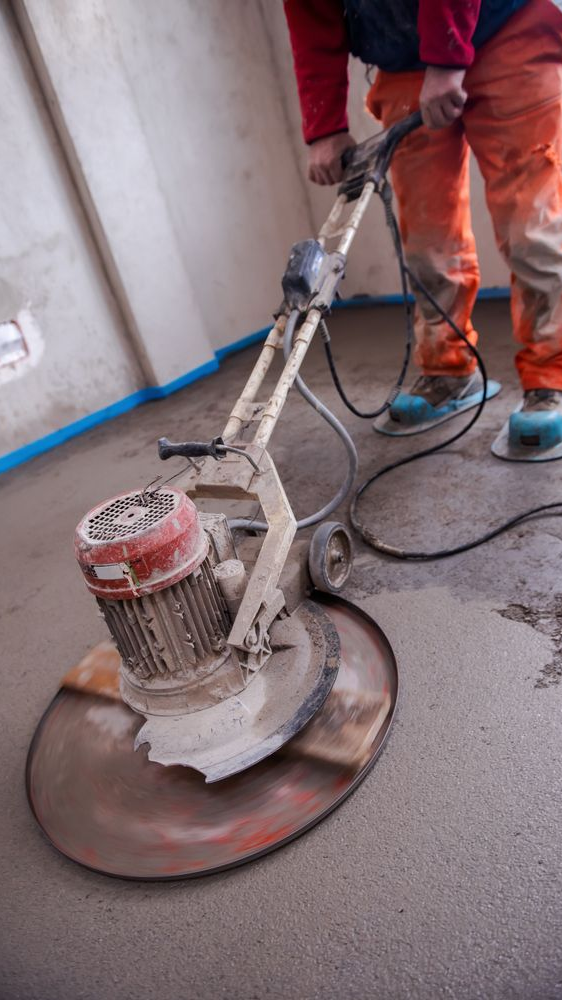
Rent the Best Grinder for Your Jobsite
Surface prep moves more efficiently when the equipment matches the floor conditions, production schedule, and finish requirements from the start. Contractors planning coating removal, polishing, or slab correction often benefit from comparing machine sizes, tooling options, and dust control setups before work begins. Reliable access to the right equipment can reduce downtime and help crews maintain a steadier workflow across changing job-site conditions.
Bracing Systems Inc. works with contractors throughout Northern Illinois, Wisconsin, and Northern Indiana, looking for grinders, tooling, vacuums, and related
construction equipment rentals for concrete and masonry projects. Contractors preparing for upcoming surface prep work can
contact us to discuss rental availability, project conditions, delivery scheduling, or equipment recommendations before the next phase of work begins.

We understand your challenge: To get all your equipment and supplies reliably and on time, while maintaining good profit margins.