Concrete Power Trowel Machines: Walk-Behind vs. Ride-On
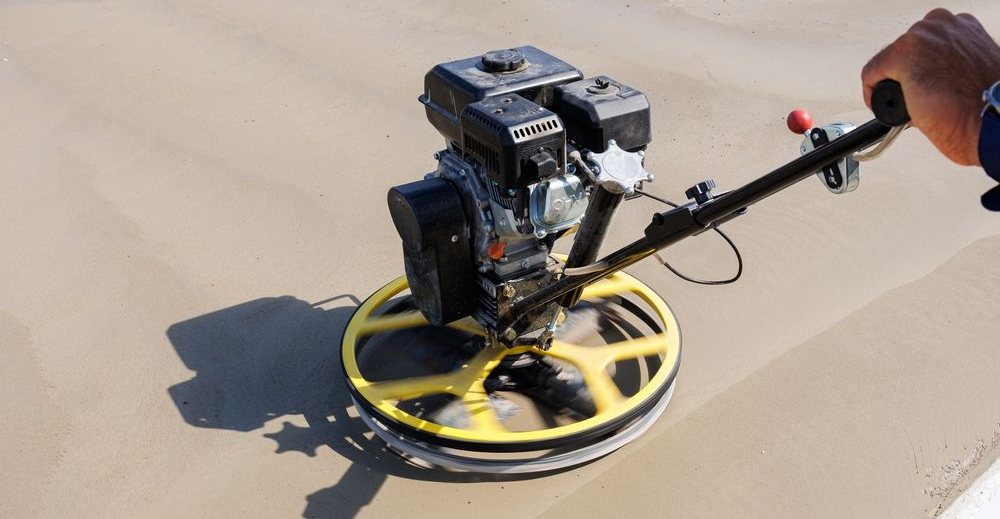
For smaller slabs, tight spaces, and work around obstacles, a walk-behind concrete power trowel is usually the better fit. A ride on concrete power trowel brings more production to large, open slabs. On bigger pours, contractors often use both: the rider covers the field while the walk-behind handles edges and tighter areas.
How Walk-Behind and Ride-On Concrete Power Trowels Compare
The main differences come down to coverage, maneuverability, and operator workload. Those factors can help determine the right
concrete trowel machine rental for a specific pour.
| Factor | Walk-Behind | Ride-On |
|---|---|---|
| Coverage | Lower production | Higher production |
| Access | Tight areas and edges | Open floor areas |
| Obstacles | Easier around columns | Needs room to maneuver |
| Operator workload | More physical effort | Less fatigue on long pours |
| Finishing pace | Suited to detail work and manageable areas | Covers more concrete before the slab tightens |
| Typical fit | Smaller, cut-up slabs | Large, open slabs |
When a Walk-Behind Power Trowel Fits the Slab
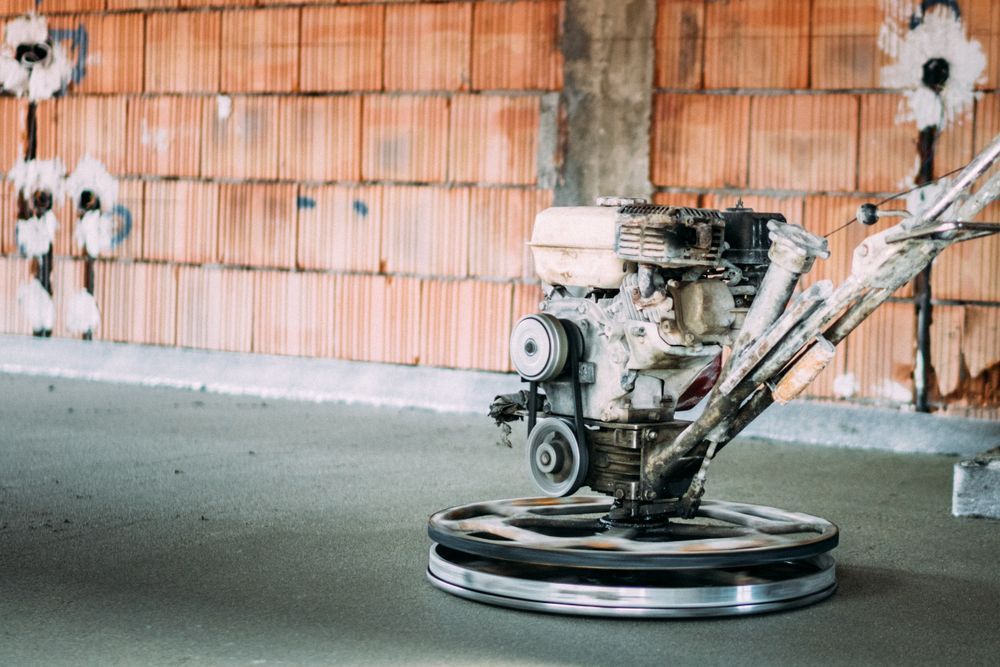
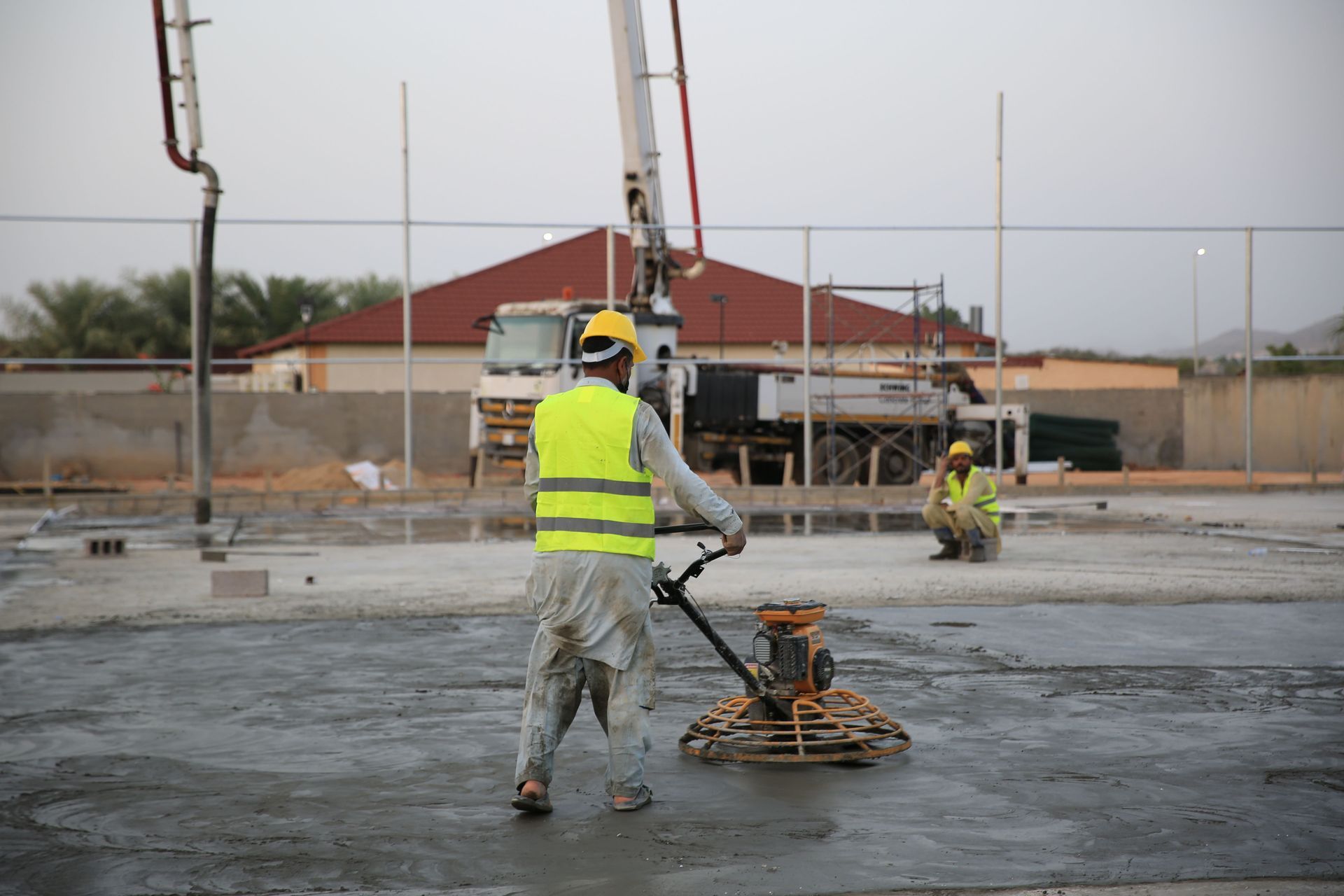
A walk-behind works well when maneuverability matters more than maximum coverage. Think smaller slabs, narrow areas, perimeter work, and floors interrupted by columns, pipes, or other obstacles. Its compact footprint lets the operator work where a rider may not have enough room to maneuver. For contractors using
construction and concrete equipment rentals, a walk-behind can also add finishing capacity for cut-up areas without bringing a larger machine onto a slab that cannot take advantage of its production.
When a Ride-On Power Trowel Earns Its Rental
A ride-on earns its place when a crew has a large, open slab and a limited finishing window. Three factors point toward a rider: uninterrupted floor area, long finishing passes, and the need for higher production. Greater coverage helps the crew keep pace as the concrete tightens, while the seated position reduces fatigue during extended work. For occasional large pours, renting adds needed capacity without owning a machine that may spend long stretches between jobs.
Using Both on the Same Pour
Larger commercial pours often benefit from running both machines. A rider covers the open field with long, overlapping passes while a walk-behind handles perimeters, columns, penetrations, and areas with limited clearance. With both working as sections become ready, the crew can keep pace with the finishing window instead of waiting for one machine to cover the entire slab. This setup pairs the rider’s production with the walk-behind’s control in tighter areas.
The Bracing Systems Advantage: Rent Both, Finish Faster
Bracing Systems carries Whiteman walk-behind and ride-on trowels for contractors across
greater Chicagoland, backed by an in-house service department familiar with concrete equipment. The rental process stays practical:
Size up the slab:
Consider open area, obstacles, and finishing pace.
Choose the setup:
Rent a walk-behind, a rider, or both.
Match the crew to the pour:
Put each machine where its coverage and maneuverability count.
That flexibility adds finishing capacity without owning another specialized machine.
Rent the Right Power Trowel from Bracing Systems
The right trowel setup depends on the slab in front of the crew. Smaller, cut-up areas favor walk-behind maneuverability, while large, open floors can benefit from ride-on production. Some pours call for both. Bracing Systems Inc. rents concrete finishing equipment for contractors throughout Northern Illinois and surrounding areas. When the next pour calls for added finishing capacity,
contact Bracing Systems to discuss the slab, job conditions, and rental options that fit the work.

We understand your challenge: To get all your equipment and supplies reliably and on time, while maintaining good profit margins.