Concrete Cutting: Wet vs. Dry Diamond Blade Guide
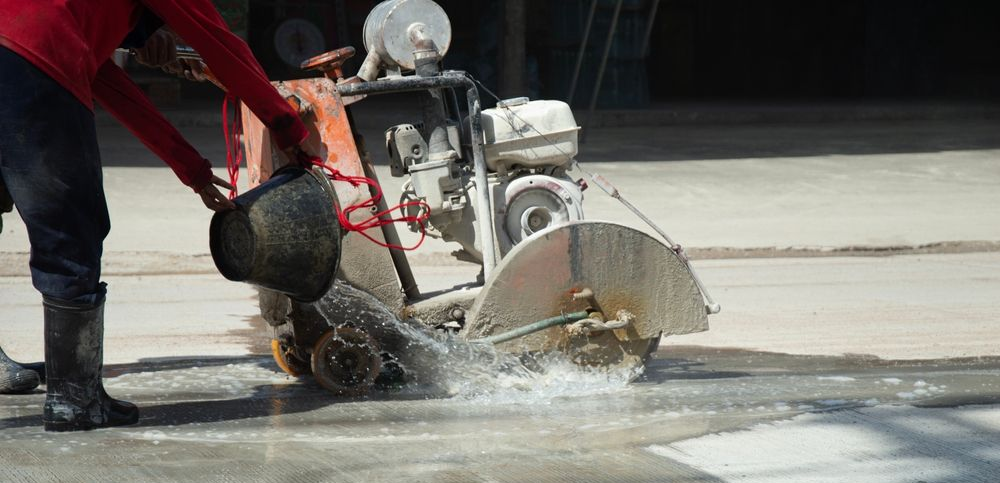
For most concrete cutting jobs, wet cutting is the better choice for deep, continuous cuts and controlling airborne dust, while dry cutting is a practical option for short, intermittent cuts when water is not available. The right wet vs dry diamond blade choice depends on the material being cut, the length of the cut, and the conditions on the jobsite.
How Wet and Dry Diamond Blades Actually Differ
Both blade types use diamond segments, but they manage heat differently. Wet blades rely on a continuous flow of water for cooling, while dry blades are designed to handle higher temperatures during short, intermittent cuts. Always follow the blade manufacturer’s rating. Many dry-blades can also be used wet, but a wet-only blade should never be used without water.
| Wet Cutting | Dry Cutting |
|---|---|
| Water cools the blade throughout the cut. | Blade cools through airflow between cuts. |
| Best for deep, continuous cuts. | Best for quick, intermitten cuts. |
| Helps reduce airborne silica dust. | Needs effective dust-control measures. |
| Creates slurry that must be contained. | No slurry, but more airborne dust. |
The best wet vs dry diamond blade choice depends on the material, cut depth, jobsite conditions, and the saw setup rather than the blade alone.
When the Job Calls for a Wet Cut
Deep Cuts and Long Continuous Passes
Wet cutting is a strong choice for long control joints, slab work, and deeper cuts because a continuous flow of water helps control blade temperature. That reduces blade wear, limits airborne dust, and keeps production moving through longer cutting sessions.
Indoor and Dust-Restricted Jobsites
Wet cutting is often the better option in occupied buildings, remodels, and other dust-restricted work areas because water helps suppress respirable silica at the source. Crews should also plan for slurry containment and cleanup before cutting begins.
When Dry Cutting Is the Smarter Call
Quick Cuts and No Water Access
Dry cutting works well for short, intermittent cuts when bringing water to the job is impractical. Pausing between passes allows the blade to cool through airflow before continuing the cut, helping control heat during lighter cutting tasks and reducing unnecessary blade wear.
Outdoor Demo and Small Repair Work
For small outdoor repairs, patch work, and demolition, dry cutting can reduce setup time by eliminating water equipment. Dust control still matters, and brief cuts with cooling breaks help keep blade temperatures under control throughout the job.
OSHA Silica Rules and What They Mean for Your Saw Setup
OSHA's respirable silica standard makes dust control part of every concrete cutting plan. Wet cutting helps reduce airborne silica at the source, while dry cutting may call for additional controls depending on the saw and application. Before cutting begins, confirm the blade, saw, dust-control method, and
construction supplies match the job so crews can work safely and avoid unnecessary delays.
Rent the Right Saw for the Cut You Need
The right saw setup depends on the material, cut depth, water access, and jobsite conditions.
Bracing Systems offers
construction and concrete equipment rentals, including
concrete cutting saws, from its Hanover Park and Mokena locations. If Chicagoland weather or slurry management is part of the plan, the team can help match the rental to the job. For more cutting tips, see our
concrete saw maintenance resource.
Contact us to discuss the right equipment for your next project.

We understand your challenge: To get all your equipment and supplies reliably and on time, while maintaining good profit margins.